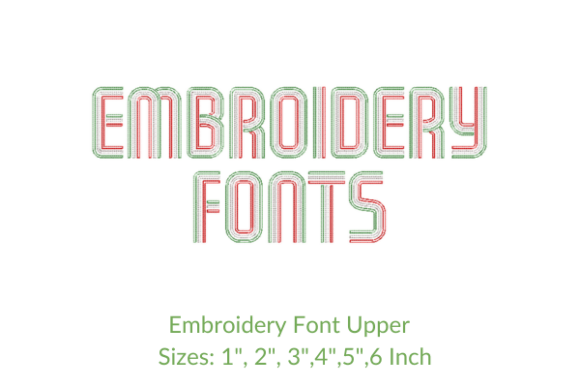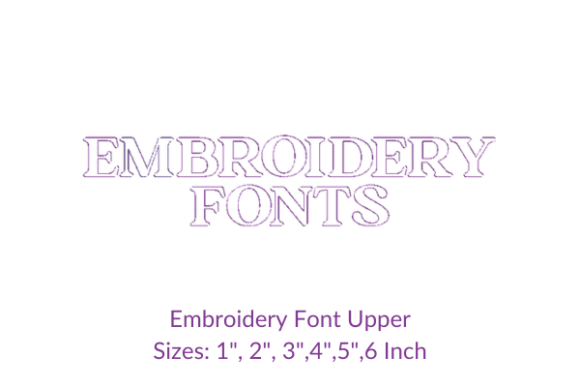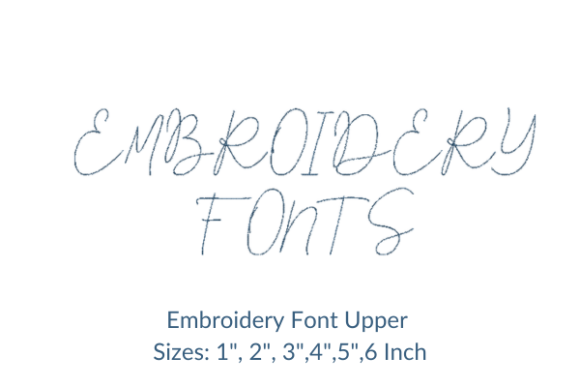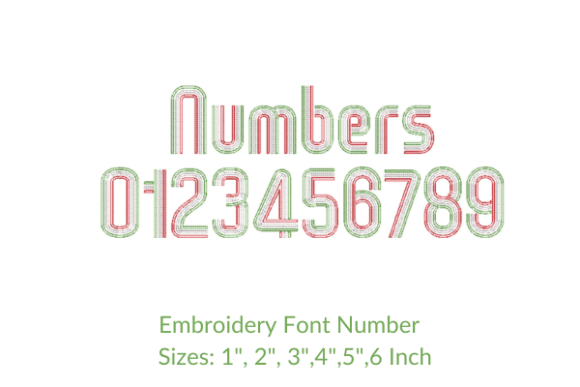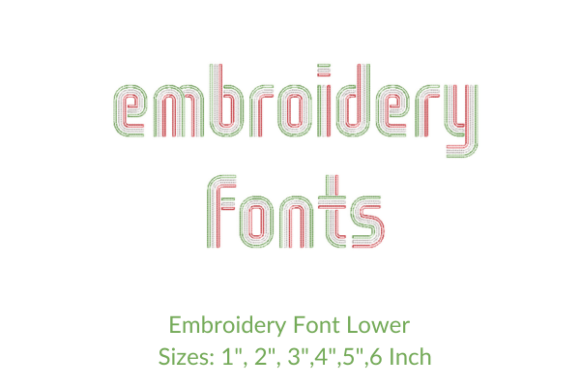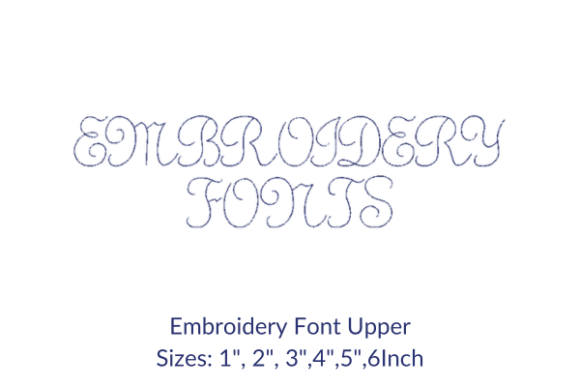
Typo Font Uppercase Review
As an experienced embroidery designer, I’ve evaluated countless machine embroidery designs for small business merch, branded patches, and custom apparel. One that stands out is the Typo Font Uppercase, a high-quality embroidery font designed to personalize any fabric with style and clarity.
First Impressions: A Bold, Versatile Design
The Typo Font Uppercase immediately gives off a modern, professional vibe. Its clean lines and slightly stylized edges make it feel both contemporary and approachable. This font isn’t just for formal branding—it works well for casual, creative businesses too. Whether you’re running a café, boutique, or handmade shop, this design offers a visual identity that’s easy to recognize and adaptable to various applications.
Its uppercase structure ensures legibility at different sizes, making it ideal for embroidered patches, cap fronts, and tote bag designs. The font doesn’t lean too heavily into decorative elements, which means it can be used across multiple brand assets without looking out of place.
Real Business Use: From Patches to Apparel
Small business owners, Etsy sellers, and crafters will find the Typo Font Uppercase highly useful in a range of applications. For instance, when used as an embroidered patch, it adds a polished touch to jackets, backpacks, or even product packaging. It also works well as a chest logo accent on t-shirts or apron embroidery, giving staff uniforms a cohesive look.
When applied to cap embroidery, the font maintains its sharpness and clarity, making it perfect for event merch or branded hats. On tote bag design, it provides a clean, professional finish that complements both minimalist and bold aesthetics.
This font is especially effective for custom apparel where simplicity meets impact. It can be used to add names, dates, or quotes to work shirts, making it a great choice for team uniforms or personalized gifts.
Where to Use With Caution
While the Typo Font Uppercase is versatile, there are some scenarios where it may not perform as well. For example, on small patch sizes, the font might appear cramped or lose its definition. Similarly, on curved surfaces like caps or sleeves, the lettering could become distorted unless properly adjusted.
When working with tiny lettering or high stitch density, it’s important to test the design at scale. If the font has intricate outlines, it may require additional stabilizer support to prevent puckering on textured fabric. Also, on dark uniforms, the contrast between the thread colors and the background needs careful consideration to ensure visibility.
For items that will undergo frequent washing, it’s wise to use a durable stabilizer and choose a thread color that won’t fade easily. Always test the embroidery file on the intended fabric before mass production.
Impact on Brand Identity and Customer Trust
The Typo Font Uppercase plays a significant role in shaping brand identity. Its clean, modern appearance conveys professionalism and reliability, which are key factors in building customer trust. When used consistently across small business merch, it helps create a cohesive visual language that strengthens brand recognition.
For handmade products, this font adds a refined touch that elevates the perceived value of the finished product. It also enhances visual consistency, ensuring that all branded items—from apron embroidery to tote bag design—maintain a unified look.
From a marketing perspective, using this font in printable mockups or design assets can improve buyer engagement by offering a clear preview of how the final product will appear. It also supports commercial embroidery projects by providing a reliable, scalable solution for large-scale orders.
Practical Designer Notes
Before finalizing any project with the Typo Font Uppercase, here are some essential steps to follow:
- Test it in black and white first to see how it looks on different fabrics and backgrounds.
- Check if it works at small patch size to avoid issues with legibility.
- Review thread color contrast to ensure visibility on dark or light materials.
- Inspect spacing to avoid overcrowding or uneven letter placement.
- Confirm hoop size requirements to ensure compatibility with your embroidery machine.
- Test on real fabric to assess how the design interacts with texture and stretch.
- Use proper stabilizer for delicate or stretchy materials to prevent distortion.
- Create a mockup for client approval to ensure the design meets expectations.
- Compare it beside other design assets to maintain visual harmony across your brand.
- Confirm commercial licensing before using the digital embroidery file for business purposes.
Conclusion: A Reliable Choice for Small Business Merch
The Typo Font Uppercase is a solid addition to any embroidery designer’s toolkit. Its balance of style and functionality makes it suitable for a wide range of applications, from embroidered patches to custom apparel. While it requires careful consideration in certain contexts, its overall performance and adaptability make it a valuable asset for small businesses looking to elevate their brand identity and product value.